Short-Term Rental Kenya: Simple 2026 Guide to Starting & Earning
Author: Oscar Murimi,
Short-Term Rental Specialist | Helped 200+ Kenyan property owners launch rentals | Managed KES 50M+ in bookings
Last Updated: March 2025
Reading Time: ~7 minutes
You have a house, apartment, or extra room in Kenya that mostly sits idle.
Meanwhile, someone with a similar place in your area is earning KES 50,000–100,000+ per month from short-term guests—business travelers, tourists, people in town for events.
The main difference? They took a few days to set it up.
This guide walks you through:
- What short-term rental really is (in Kenyan terms)
- How much you can realistically earn
- Basic legal and tax points
- Which platforms to use
- How to price and manage your place
- A simple 30-day launch plan
1. What Is Short-Term Rental in Kenya?
A short-term rental (STR) is when you rent out your property for short stays—usually from 1 night up to about 90 days.
In Kenya, STR has moved from “new idea” to normal:
- Business travelers who prefer apartments to hotels
- Domestic tourists going to Mombasa, Diani, Naivasha, and Nanyuki
- Regional and international visitors who want kitchen space and privacy
Why it works well here:
- A growing middle class that travels
- Strong business and conference traffic in Nairobi
- Beach and safari tourism
- M-Pesa makes taking payments easy
Common STR setups:
- 1BR or 2BR apartment in Nairobi (Westlands, Kilimani, Lavington, Karen, CBD/Upper Hill)
- Beach house or apartment in Mombasa/Diani
- Extra room in your main home
2. Can You Really Earn Good Money?
Let’s keep it realistic. These are typical numbers from Nairobi hosts who do things properly.
Example: 2BR Apartment in Kilimani
Long-term rental:
- Monthly rent: ~KES 40,000
- Annual income: ~KES 480,000 (often with some vacancy)
Short-term rental:
- Nightly rate: ~KES 4,500
- Average bookings: ~16 nights/month (about 50–55% occupancy)
- Gross: ~KES 72,000/month
- Platform fees (~12%): ~KES 8,600
- Net before other costs: ~KES 63,000/month
- Annual: ~KES 750,000+
Even after cleaning, utilities, and supplies, most well-run STRs in good areas make 30–40% more than long-term renting.
Rough monthly net ranges many hosts see:
- 1BR in a good Nairobi area: ~KES 35K–60K
- 2BR in a good Nairobi area: ~KES 60K–90K
- 3BR house: ~KES 90K–120K+
It’s not magic. It’s location + good photos + fair pricing + decent management.
3. Key Legal & Practical Basics (Kenya)
This isn’t formal legal or tax advice, but here’s what most small hosts actually do.
National basics
- KRA PIN – You need one. Rental income is taxable.
- Tax – Many small hosts use the 10% residential rental tax on gross income. If your expenses are very high, you may explore normal income tax on net profit with an accountant.
- Insurance – Regular home insurance may not cover STR. Consider a cover that includes guest stays and liability.
County rules & estate rules
- Some counties (like Nairobi, Mombasa) may require a business permit if you’re running STR at scale or very frequently.
- Gated communities/apartment blocks often have their own rules. Some don’t allow short stays at all.
Before you start:
- Read your lease or title conditions
- Ask the estate manager/landlord if STR is allowed
- At least install basic safety: fire extinguisher, smoke detector, first aid kit, proper locks
Most 1–2 property hosts:
- Have the KRA PIN and file or pay their rental tax
- Check estate rules
- Add basic safety equipment
- Formalize further (business registration, permits) once income is meaningful
4. Simple Step-by-Step: How to Start
Think in three phases: prepare, list, and get first booking.
Phase 1: Prepare the Property (About 1 Week)
- Check suitability
- Is the area attractive to travelers? (near CBD, business hubs, beaches, attractions)
- Is it safe and accessible?
- Are you allowed to do STR there?
- Make it guest-ready
Minimum basics:- Deep clean (hire a cleaner if needed)
- Fresh, matching bedding and towels (two sets)
- Reliable WiFi (non‑negotiable for business/remote workers)
- Working hot water, lights, and sockets
- Basic kitchen gear (plates, mugs, cutlery, pots, pans, kettle)
- Take good photos
- Shoot in daylight; open curtains and blinds
- Declutter—less is more
- Stand in the corners to make rooms look bigger
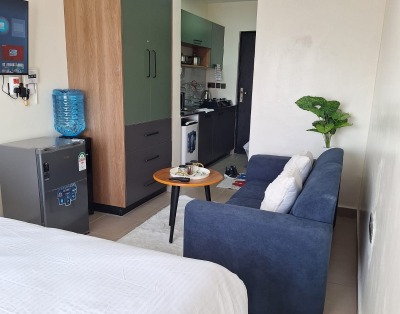
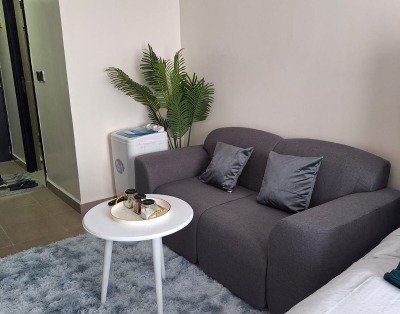
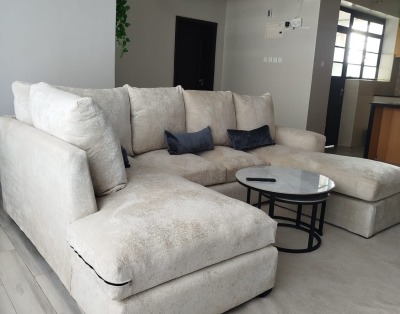
- Aim for 15–20 photos: living room, each bedroom, kitchen, bathroom, entrance, building, view, key amenities
If you can afford it, a professional photographer (KES 5,000–10,000) is usually worth it.
Phase 2: Choose Platform & Create Listing (About 1 Week)
For a Kenyan host starting:
- Start with a local-focused platform (e.g., Trubay Stayz) so you get:
- M-Pesa payouts
- Kenyan support
- Fees around 10–12%
- Add Airbnb later once you have reviews and are comfortable. It’s great for international guests but has higher fees and slower payouts.
Listing basics:
- Title:
- Good: “Modern 2BR in Westlands | WiFi, Parking, Near CBD.”
- Bad: “Nice apartment in Nairobi.”
- Description (keep it clear and practical):
- Who it’s ideal for (business traveler, couple, family)
- What they get (beds, WiFi, parking, kitchen, Netflix, workspace)
- Where it is (landmarks, distance to CBD, major roads)
- Any rules (no parties/smoking, quiet hours, max guests)
- Settings:
- Min stay: 1 night (at the beginning to build reviews)
- Max stay: 30 nights (you can adjust later)
- Check‑in: e.g., 2 pm–8 pm
- Check‑out: usually 11 am
- Start by approving bookings manually until you’re confident
Phase 3: First Booking & Reviews (Weeks 3–4)
Now you want to get that first handful of good reviews fast.
- Share your listing link with friends, family, and WhatsApp groups
- Post once or twice in relevant Facebook groups
- Offer a launch discount (e.g., 15–20% off first 3–5 bookings)
For each of your first guests:
- Respond to messages quickly (within an hour when you can)
- Send clear check‑in instructions (with a map or a pin)
- Make sure the place is spotless
- Add a small welcome touch (bottled water, tea/coffee sachets)
- After checkout, politely ask for a review
Good early reviews make a huge difference in both bookings and what you can charge later.
5. Platforms in Kenya: Simple Comparison
Here’s a very simplified view for a new host with 1–2 properties.
Local platforms (e.g., Trubay Stayz, similar services):
- Fees: around 10–12%
- Payouts: M-Pesa, often same day or within 24h
- Guests: mostly Kenyan and regional
- Pros: Easy payments, local support, better fit for the domestic market
Airbnb:
- Fees: usually around 14–18% for hosts (plus fees to guests)
- Payouts: bank transfer in USD, often 5–7 days after check‑in
- Guests: mostly international
- Pros: Huge global audience, especially in tourist areas (Karen, Diani, Maasai Mara gateways)
Booking.com and others: more hotel‑focused, often higher commission and slower payouts—not where I’d start as a small STR host in Kenya.
Practical approach:
- Months 1–3: Start on a local platform only
- After 5–10 good reviews: add Airbnb and sync calendars
- Keep the local platform slightly cheaper; charge a bit more on Airbnb
6. Pricing Your Place
Don’t guess. Look at what others in your area charge and position yourself smartly.
Quick pricing method:
- Search your neighborhood on 1–2 platforms
- Filter for similar properties (same bedrooms and amenity level)
- Note 10–15 nightly rates
- Find the rough average
At launch:
- Set your price 10–15% below that average until you get a few reviews
- Then move your price up towards the middle of the range
Adjust for:
- High season (Dec–Jan, school holidays, big events): charge more
- Low season (rains, quiet months): consider small discounts
- Weekends vs weekdays: many cities charge a bit more on Friday/Saturday
Avoid racing to the bottom on price. It attracts the wrong kind of guests and kills profit. Compete on:
- Cleanliness
- Photos
- Fast response
- Good reviews
7. Managing the Rental (Without Burning Out)
For 1–2 properties, most Kenyan hosts either:
Option A: Manage It Yourself
- Time: 5–10 hours/week once you’re up and running
- You handle: messages, check‑in/out, cleaning coordination, and small issues
You’ll need:
- A reliable cleaner (pay per stay)
- A handyman for small fixes
- Some saved message templates for FAQs
Option B: Partly Outsource
If you’re very busy or travel a lot:
- Hire a cleaning service/laundry service
- You still handle messages and pricing
For hosts abroad or with several units, a full property manager (taking 15–25% of revenue) can be worth it—but you usually only need that once income is solid.
8. Taxes & Money Basics (Very Short Version)
This is where many people overcomplicate or completely ignore things.
In simple terms:
- Rental income is taxable in Kenya
- Most small STR hosts:
- Track their income and expenses (even in a simple Excel sheet)
- Use the 10% residential rental tax on gross income, or talk to an accountant once they start earning serious money
If you:
- Keep basic records
- Set aside ~10–15% of what you earn for tax
- Get basic insurance once the income is consistent
…you’re already ahead of many.
9. Common Mistakes to Avoid
You’ll save yourself a lot of stress (and lost money) by avoiding these:
- Bad photos – Dark, cluttered shots = fewer bookings. Good photos pay for themselves.
- Slow replies – If you reply hours later, guests book elsewhere. Turn on app notifications.
- Being too cheap – Deep discounting attracts headache guests and kills profit.
- No clear rules – Write and send simple house rules (no parties, no extra guests, quiet hours, smoking rules, etc.).
- Ignoring feedback – If 2–3 reviews mention the same issue, fix it fast (WiFi, shower, noise, etc.).
10. Your 30‑Day Launch Plan
If you follow this, you can go from “idea” to “first bookings” in about a month.
Week 1 – Decide & Prepare
- Confirm you’re allowed to run STR in that property/estate
- Clean and set up basics (WiFi, bedding, kitchen)
- Take 15–20 good photos
Second Week – List & Price
- Create a host account on a local‑focused platform (e.g., Trubay Stayz)
- Write a clear, honest description
- Set the starter price slightly below the area average
Third Week – Get First Guests
- Share your listing link with your network and in a few Facebook/WhatsApp groups (where appropriate)
- Offer a small launch discount for the first 3–5 bookings
- Give guests a smooth stay and politely request reviews
Fourth Week – Adjust & Improve
- Look at which days are booking and which are empty
- Slightly adjust your price if needed
- Fix any issues guests mentioned
- Start planning whether you’ll add Airbnb or another platform
Final Thought
Short-term rental in Kenya is not a get-rich-quick trick. But if you:
- Have a decent property in a good area
- Set it up properly once
- Keep it clean and respond quickly
…it can realistically bring in 30–50% more than long-term rent, with the flexibility to use the place yourself.
The hosts who started a year ago now have strong reviews and steady KES 50K–100K+/month income.
If you already own the property, the main question is no longer “Does this work?“—it’s:
When do you want your first booking?
Sign up to become a Trubay Stayz Host today.